The first seat belt was invented in 1885, one year before Carl Benz developed the first modern automobile. Though one of the most important and lifesaving safety innovations of this era came first, seat belts were not standard in vehicles until the passage of a 1968 federal law requiring their installation in vehicles.
Today the history of seat belts feels allegorical. As artificial intelligence, autonomous vehicles, and other technologies stand to fundamentally shift how we live, move and work, we must learn from past mistakes and not put the innovation ahead of the tools that make it safe.
In 2025, the National Safety Council sought to do exactly that. By harnessing emerging technologies, fostering new voices in the safety profession, conducting cutting-edge research and advocating for the best policies, NSC is shaping a safer present and future for road users, workers and communities.
In this report, you’ll find examples of how the National Safety Council continued its century-long legacy of leading the conversation on safety. You will also see a snapshot of our activities and accomplishments in 2025, including:
- Voicing support for vital federal agencies, policies and legislation.
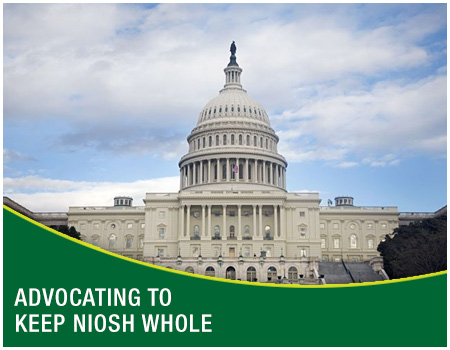
- In a year of uncertainty for the Council’s federal partners, NSC voiced support for the agencies that conduct critical safety functions and continued to advocate for workplace and roadway safety priorities.
- Fostering the next generation of safety leaders and celebrating today’s safety heroes.
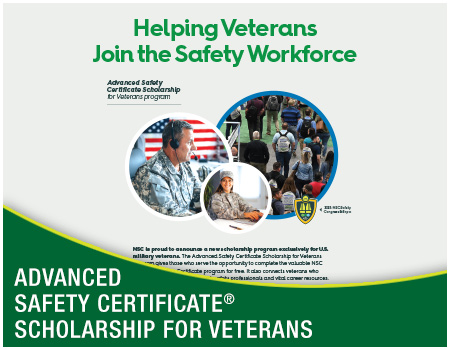
- NSC Scholarships provided resources to students and veterans seeking to deepen their safety knowledge and grow as safety leaders. Our awards recognized the organizations and leaders who have already made a difference for workers, road users and community members.
- Supporting programs, projects and research designed to make people safer at work and on the road.
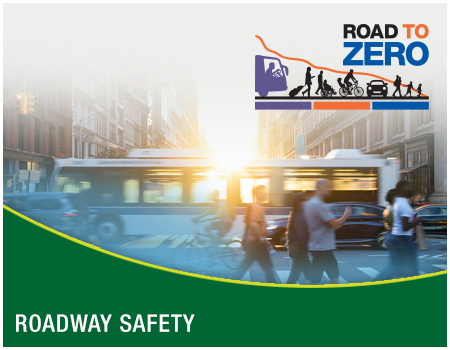
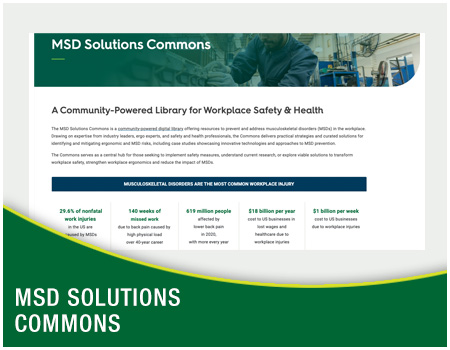
- Through initiatives like the Road to Zero Coalition, MSD Solutions Lab, and the Workplace Wellbeing Hub, NSC continued to both create actionable tools and provide funding for critical projects and research.
- Educating individuals and companies on the best, latest workplace safety practices.
- NSC trained over 1.2 million people through our world-class courses, including Defensive Driving, First Aid, Workplace and more. At the organization level, NSC helped employers of all sizes focus on their highest risks and build controls to prevent harm.
- Partnering with dedicated safety professionals, advocates, organizations and donors to remain the nation’s leading safety nonprofit.
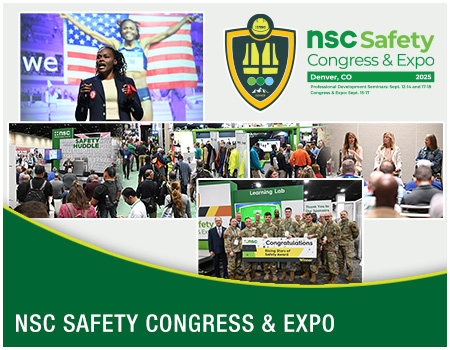
- The 113th NSC Safety Congress & Expo brought together over 12,500 safety professionals in Denver, where attendees connected with each other, attended engaging presentations and discovered new safety solutions and technologies. In 2025, NSC also received more than $16 million in philanthropic donations to support its mission.
These accomplishments represent the Council and its partners’ perennial commitment to safety, which stretches back over one hundred years and will reach into the future for another hundred to come. By learning from the past, protecting our present and working toward a safer future, NSC will continue to fulfill its mission of saving lives, from the workplace to anyplace, yesterday, today and tomorrow.
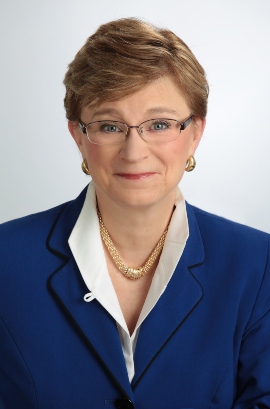
Lorraine M. Martin, Chief Executive Officer, National Safety Council
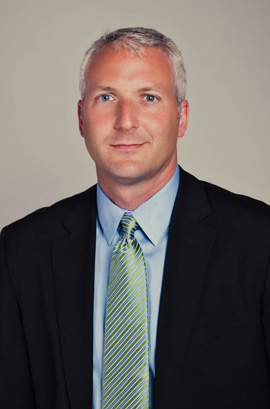
Nick Smith, President, National Safety Council
Anas Al-Hamwi, Board Chair, National Safety Council